Your Guide to Living with a J-Pouch
Reliable, patient-friendly information about pouch surgery, recovery, and everyday life, powered by the world's largest pouch research library.
Where would you like to start?
Each topic opens on its own page, no endless scrolling.
Browse All J-Pouch Topics
A J-pouch (ileal pouch-anal anastomosis, or IPAA) is an internal reservoir a surgeon builds from the end of the small intestine so you can pass stool normally after the colon and rectum are removed — most often for ulcerative colitis. Each topic below opens as its own plain-language, evidence-based page.
What Is a J-Pouch?
Understanding IPAA surgery and what it means for you.
Quality of Life with a J-Pouch
What patients actually report about life after surgery.
What to Expect After Surgery
Recovery timeline, stages, and milestones.
When to Call Your Doctor
Warning signs that need prompt medical attention.
Diet & Nutrition with a Pouch
What to eat, what to avoid, and tips for everyday meals.
Bowel Function & Continence
What’s normal, what helps, and how to think about control.
How Long Do Pouches Last?
Long-term durability and what to expect over the years.
Glossary of Key Terms
Medical terms explained in plain language.
Fertility & Pregnancy after IPAA
What to know about family planning before and after pouch surgery.
Sexual Function after Surgery
An honest, practical look at intimacy and sexual health.
Pouchitis: Symptoms, Treatment & Prevention
The most common pouch complication and how to manage it.
Cuffitis
Inflammation of the rectal cuff, a less-talked-about but treatable problem.
Crohn’s of the Pouch
When Crohn’s-like inflammation develops after pouch surgery for UC.
Irritable Pouch Syndrome
Pouch symptoms without inflammation, and how it’s managed.
Anastomotic Leak
What it is, why it matters, and what happens if one occurs.
Strictures
Narrowings that can affect how the pouch empties.
Bowel Obstruction Risk
Why obstructions can happen after pouch surgery and what to do.
Cancer Surveillance & Dysplasia
Why monitoring matters and what ‘surveillance’ looks like.
Biologics & Medications for Pouch Conditions
When medications are used and what to expect.
When a Pouch Needs to Be Redone or Removed
Honest information about pouch revision and excision, rare, but real.
The Pouch Microbiome (Emerging Research)
What scientists are learning about the bacteria inside the pouch.
Surgeon Experience & Hospital Volume
Why where you have your surgery, and who does it, matters.
Surgical Approach: Open, Laparoscopic, or Robotic
What the different approaches mean and how to think about them.
FAP & the Pouch
Special considerations when J-pouch surgery is done for FAP.
Continent Ileostomy & Kock Pouch (Alternatives)
Internal-pouch alternatives to a J-pouch, less common, but important to know.
J-pouch surgery stages: 2-stage vs 3-stage
Patient-education library · 26 topics · last updated September 16, 2026.
Common Questions
Frequently-asked questions about life with a pouch, synthesized from Pouchology.org's research library. Individual experiences vary. Discuss your situation with your care team.
💞 Quality of Life with a J-Pouch
The Big Picture
Research that asks pouch patients about their daily lives consistently finds that overall quality of life is high, typically much better than life with active ulcerative colitis. Most patients work, exercise, travel, and live full lives. That said, the pouch is not the same as a healthy colon, and adapting takes time.
What Tends to Improve
- Freedom from disease-related symptoms (urgency, bleeding, severe diarrhea)
- Energy levels and ability to be active
- Reduced need for many UC medications
- Ability to plan activities without constant bathroom worry
- Mental health, many patients describe a sense of relief once they’re past recovery
What May Take Adjustment
- Bowel frequency. Several movements per day is normal
- Diet. Finding what works for your pouch takes time
- Skin care around the anus, especially early on
- Occasional pouch flares or pouchitis episodes
- Body image, especially during the period with a temporary stoma
Tips From Patients
Connect with other pouch patients. Online communities and patient groups can be enormously helpful. Find a care team you trust. Be honest with your gastroenterologist about symptoms that affect daily life. Quality of life is something to actively work on, not just hope for.
📅 How Long Do Pouches Last?
Pouches Are Built to Last
A J-pouch is designed to function for the rest of your life. Most patients keep their pouch for many years, often decades, without major problems. Research consistently shows that the great majority of pouches are still working well 10, 20, and even 30 years after surgery.
What ‘Pouch Survival’ Means
Doctors use the term ‘pouch survival’ to describe how long a pouch keeps doing its job. A pouch is considered to have ‘failed’ if it has to be removed or if a permanent ileostomy becomes necessary. Pouch failure is uncommon, most people who have a J-pouch never face this.
What Affects How Long a Pouch Lasts?
- Underlying diagnosis. Pouches done for ulcerative colitis or FAP generally last longer than those done for Crohn’s disease
- Whether complications develop early after surgery (such as a leak or infection)
- Long-term inflammation in the pouch (chronic pouchitis or Crohn’s of the pouch)
- Pelvic anatomy and how the surgery itself went
- Access to a knowledgeable care team for monitoring and treating problems early
Living with a Long-Term Pouch
For most patients, the pouch becomes a routine part of life. Bowel habits stabilize, energy returns, and life with a pouch feels normal. Regular check-ins with your gastroenterologist, including periodic pouch endoscopy, help catch and treat any issues early, before they affect long-term function.
If Something Does Go Wrong
Even when problems develop, options exist. Many issues are treatable with medications. In some cases, additional surgery can repair or ‘redo’ the pouch. Removing the pouch is rare and usually a last resort. Your surgeon and gastroenterologist will walk you through every option if it ever comes up.
🤒 Pouchitis: Symptoms, Treatment & Prevention
What Is Pouchitis?
Pouchitis is inflammation of the J-pouch lining. It is the most common complication after pouch surgery and many pouch patients experience it at some point. The good news: it’s usually treatable and manageable.
Symptoms to Watch For
- Increased number of bowel movements
- More urgent need to go
- Watery or bloody stool
- Cramping or abdominal pain
- Fever (in more severe cases)
- Feeling unwell or fatigued
How Is It Treated?
- Antibiotics are the first-line treatment. Your doctor will prescribe the specific antibiotic and length of course based on your situation
- Most episodes respond well to a single course of antibiotics
- For recurring pouchitis, your doctor may try longer antibiotic courses, probiotics, or other medications
- Rarely, pouchitis that doesn’t respond to standard treatment may need stronger immunosuppressive medications
Can You Prevent It?
Some patients benefit from daily probiotics. Specific formulations have been studied for pouchitis prevention. Staying well-hydrated, eating a balanced diet, and managing stress may also help. Talk to your gastroenterologist about whether a prevention strategy makes sense for you.
When to Call Your Doctor
Contact your doctor if you notice a significant increase in bowel frequency, blood in your stool, fever, or symptoms that don’t improve within a few days. Early treatment leads to faster recovery.
👪 Fertility & Pregnancy after IPAA
An Honest Conversation
Pouch surgery is a major pelvic operation. Research has shown that this kind of surgery can affect fertility in women, particularly the ability to conceive naturally. This is largely thought to be due to scarring around the fallopian tubes after surgery. It is one of the most important conversations to have before surgery, especially if family planning is on your mind.
Options to Consider Before Surgery
- Talking with a reproductive endocrinologist about preserving fertility (such as freezing eggs or embryos)
- Asking your surgeon about minimally invasive (laparoscopic or robotic) approaches, which research suggests may reduce pelvic scarring
- Considering surgical staging that delays the pelvic portion until after planned pregnancies in selected cases
- Understanding that in vitro fertilization (IVF) can be very effective if natural conception is more difficult after surgery
Pregnancy with a Pouch
Many women have healthy pregnancies and deliveries after J-pouch surgery. Bowel frequency may temporarily increase during pregnancy as the growing uterus presses on the pouch. Most patients return to baseline pouch function after delivery. Decisions about vaginal delivery versus cesarean section are individual. They should involve your surgeon, OB/GYN, and you. Many programs lean toward cesarean delivery to protect pelvic floor function, but this is not absolute.
What About Men?
Pouch surgery in men can occasionally affect sexual function due to the proximity of pelvic nerves. Severe problems are uncommon, especially with experienced surgeons using nerve-sparing techniques. Talk openly with your surgeon and care team. Many sexual function concerns are treatable.
If You’ve Already Had Surgery
If you didn’t have these conversations before surgery and are now thinking about family, talk to your gastroenterologist or surgeon. A reproductive endocrinologist can assess your specific situation. Many options exist, including IVF, which has helped many pouch patients build their families.
❤️ Sexual Function after Surgery
What Surgery Can Affect
J-pouch surgery is performed in the pelvis, near nerves and structures that play a role in sexual function. For most patients, sexual function is preserved or returns to baseline after recovery. A smaller number experience changes that may need attention. The early recovery period, when you’re healing and adjusting, is rarely a sign of long-term function.
Possible Issues in Women
- Vaginal dryness or discomfort with intercourse
- Pain related to scar tissue or pelvic floor tension
- Body image concerns, especially during the temporary ileostomy phase
- Reduced libido during the recovery period, often improves with time
Possible Issues in Men
- Changes in erectile function or ejaculation
- Reduced sensation or libido during recovery
- Body image concerns related to the temporary ileostomy
- Most issues improve over the months after surgery
What Helps
- Open communication with your partner during recovery
- Pelvic floor physical therapy, which many patients find very effective
- Lubricants and dilators for vaginal discomfort
- Medications for erectile concerns (similar to those used for other causes)
- Speaking up early. These issues are very treatable, but only if your team knows about them
Talking About It
Sexual concerns can feel difficult to bring up. Most surgeons and gastroenterologists are very used to these conversations. If you don’t feel comfortable raising it with your surgeon, a sexual medicine specialist or pelvic floor therapist can be a great place to start.
🪜 J-pouch surgery stages: 2-stage vs 3-stage
Why the surgery is staged
Building a J-pouch is often split into two or three operations over several months. Staging lowers the risk of a leak where the pouch is joined and gives your body time to heal between steps, which matters most if you have been very sick, poorly nourished, or on high-dose steroids.
The 2-stage approach
- Operation 1: the colon and rectum are removed and the J-pouch is built, with a temporary loop ileostomy (a stoma) to let the pouch heal.
- Operation 2: a few months later, the ileostomy is closed and stool passes through the pouch.
The 3-stage approach
- Operation 1: only the colon is removed and a temporary ileostomy is made. Used when you are acutely ill, malnourished, or on high-dose steroids.
- Operation 2: once you have recovered, the rectum is removed and the J-pouch is built (still with a temporary ileostomy).
- Operation 3: the ileostomy is closed and stool passes through the pouch.
Which one is right for me?
Your surgeon chooses based on how well and how nourished you are, your medicines, and your anatomy. Ask your care team which approach they recommend and why.
The Basics
The ileal pouch-anal anastomosis (IPAA or "J-pouch") is a common reconstructive option after proctocolectomy for ulcerative colitis. These are AI-synthesized summaries from Pouchology.org's research library.
🩺 What Is a J-Pouch?
The Basics
A J-pouch (also called an ileal pouch-anal anastomosis, or IPAA) is an internal reservoir created from the end of your small intestine during surgery. It replaces the function of the colon and rectum, allowing you to have bowel movements through the normal route without needing a permanent ostomy bag.
Why Is It Done?
- Most commonly performed for ulcerative colitis (UC) that doesn’t respond well enough to medications
- Also used for familial adenomatous polyposis (FAP), a genetic condition that causes precancerous polyps
- The goal is to remove the diseased colon and rectum while preserving your ability to go to the bathroom normally
How It Works
Your surgeon removes the colon and rectum, then folds the last part of the small intestine (ileum) into a J-shape and connects it to the anus. This pouch gradually stretches over several months to hold more stool, reducing how often you need to use the bathroom.
The Surgery
- Usually done in 2 or 3 stages over several months
- A temporary ileostomy (stoma bag) is often used while the pouch heals
- The final surgery reconnects everything so the pouch is fully functional
- Many surgeons now use minimally invasive (laparoscopic or robotic) techniques
What to Expect Long-Term
Most patients have several bowel movements per day once fully healed. Quality of life is generally very good. Most people return to work, exercise, travel, and normal activities. The pouch is designed to last a lifetime, though some patients may experience complications like pouchitis (inflammation) that can usually be treated with antibiotics.
🏥 What to Expect After Surgery
Hospital Stay
Most patients stay in the hospital for several days after each stage of surgery. You’ll start with clear liquids and gradually return to solid foods. Walking as soon as possible after surgery helps recovery.
First Few Weeks at Home
- Fatigue is normal. Your body is healing from major surgery
- Start with small, frequent meals that are easy to digest
- Avoid heavy lifting (typically for several weeks. Your surgical team will give specific limits)
- Expect some incision soreness that improves daily
- Keep incisions clean and dry; watch for signs of infection (redness, swelling, fever)
Living with a Temporary Ileostomy
If you have a stoma between stages, a wound/ostomy nurse will teach you how to care for it. Most people adapt within a few weeks. The stoma is temporary. It’s reversed when your pouch has healed.
After Pouch Reconnection (Takedown)
- Expect frequent bowel movements at first. This is normal early on
- Frequency gradually decreases over many months as the pouch stretches and adapts
- Most people settle into a manageable daily pattern
- Nighttime bowel movements are common initially but usually decrease over time
- Pelvic floor exercises (Kegels) can help with control
Returning to Normal Life
Most patients return to work within several weeks of each surgery. Full recovery. Meaning your pouch is functioning at its best and you feel like yourself again, typically takes many months. Be patient with yourself; every person’s timeline is different.
🚨 When to Call Your Doctor
Call Your Doctor Soon
- Increased bowel frequency that lasts more than a few days
- Blood in your stool (especially if new or worsening)
- Persistent abdominal pain or cramping
- Signs of dehydration (dark urine, dizziness, dry mouth)
- Difficulty passing stool or feeling of blockage
- Skin irritation around the anus that isn’t improving
- New or worsening incontinence
Seek Urgent Care or ER
- High fever
- Severe abdominal pain (especially if sudden)
- Heavy rectal bleeding
- Vomiting that won’t stop (especially if you can’t keep fluids down)
- Signs of bowel obstruction: no stool output, bloating, cramping, vomiting
- Wound that is red, hot, swollen, or draining pus
Keep This Information Handy
Save your surgeon’s office number and after-hours line in your phone. If you’re traveling, know where the nearest emergency room is. Carry a brief medical summary card that lists your surgery type, medications, and allergies. This helps any doctor treat you quickly.
Trust Your Instincts
You know your body best. If something feels wrong, it’s always better to call and ask than to wait and worry. Your medical team would rather hear from you early than deal with a complication that has gotten worse.
🚽 Bowel Function & Continence
What’s Normal?
Bowel function with a J-pouch is different from bowel function with a colon, and different from a temporary ileostomy. Most patients have several bowel movements per day once they’re fully healed, and most are able to control when they go. Stools are usually soft and formed enough to be manageable. Nighttime trips to the bathroom can happen, especially in the first year, and tend to decrease over time.
Frequency, Urgency & Timing
- Daily frequency varies by person. Many people settle into a comfortable rhythm
- Urgency tends to ease over the first year as the pouch stretches and adapts
- Eating patterns affect timing. Large meals or certain foods can trigger movements
- A small number of patients use medications that slow bowel transit when needed (such as before travel or events)
About Continence (Control)
Most patients regain solid control over time. Mild leakage of mucus or stool, especially at night or with very loose output, is common in the first months and usually improves. If leakage is persistent or interferes with your daily life, it is treatable, not something you have to live with.
What Helps Bowel Function
- Pelvic floor exercises (Kegels), practiced consistently
- Pelvic floor physical therapy, many patients find this very effective
- A consistent eating pattern. Small, frequent meals tend to work better than 1–2 large ones
- Adequate hydration to keep stool soft (but not too watery)
- Skin protection around the anus (barrier creams, gentle cleansing) early on
- Bulking agents or antidiarrheal medications when appropriate. Ask your team
When to Speak Up
If your bowel function changes meaningfully, more frequency, new urgency, leakage that wasn’t there before, or symptoms that affect your daily life. Let your gastroenterologist or surgeon know. Many issues are treatable, and the earlier they’re addressed, the better. Bowel function and continence are among the most underreported topics among pouch patients, often because patients feel they should just adapt. You don’t have to.
🥗 Diet & Nutrition with a Pouch
General Principles
- There is no single “pouch diet”. Everyone is different
- Start with bland, low-fiber foods after surgery and gradually reintroduce variety
- Eat smaller, more frequent meals rather than 3 large ones
- Chew thoroughly. This helps digestion and reduces gas
- Stay well-hydrated throughout the day
Foods That Are Usually Well-Tolerated
- White rice, pasta, and bread
- Lean proteins (chicken, fish, eggs, tofu)
- Bananas, applesauce, and ripe fruits
- Cooked vegetables (carrots, squash, potatoes)
- Yogurt and smooth nut butters
- Oatmeal and other soluble fiber foods
Foods to Approach with Caution
- Raw vegetables and salads (may cause blockage early on)
- Nuts, seeds, and popcorn (can be hard to digest)
- Spicy foods (may increase urgency or irritation)
- High-sugar foods and drinks (can cause loose stools)
- Caffeine and alcohol (can increase output and dehydration)
- Dairy (some people develop temporary lactose sensitivity)
Hydration Is Key
Without a colon, your body absorbs less water from food. Dehydration is a real risk, especially in hot weather or during illness. Watch for signs like dark urine, dizziness, or dry mouth. Sports drinks or oral rehydration solutions can help replace lost electrolytes.
Working with a Dietitian
A registered dietitian who understands IBD and pouch surgery can be incredibly helpful. They can create a personalized plan, identify trigger foods, and make sure you’re getting adequate nutrition. Ask your surgeon or gastroenterologist for a referral.
📖 Glossary of Key Terms
Surgery & Anatomy
- IPAA (Ileal Pouch-Anal Anastomosis): The medical name for J-pouch surgery. The ileum (end of the small intestine) is shaped into a pouch and connected to the anus.
- J-Pouch: The internal reservoir made from your small intestine. Called “J-pouch” because of its J-shape.
- Ileostomy: A temporary opening in the abdomen where stool exits into an external bag. Used while the pouch heals.
- Takedown: The surgery to reverse the temporary ileostomy and activate the pouch.
- Stoma. The small, round opening on the abdomen where the intestine comes through during an ileostomy.
- Anastomosis: A surgical connection between two parts of the intestine.
Conditions
- Ulcerative Colitis (UC): A type of inflammatory bowel disease (IBD) that causes inflammation and ulcers in the colon and rectum.
- FAP (Familial Adenomatous Polyposis): A genetic condition causing hundreds of polyps in the colon that can become cancerous.
- Pouchitis: Inflammation of the J-pouch lining. The most common pouch complication, usually treated with antibiotics.
- Cuffitis: Inflammation of the small strip of rectal tissue left behind during surgery. Similar to a mild flare of colitis.
- Stricture: Narrowing at the connection point between the pouch and anus. May cause difficulty passing stool.
Tests & Treatments
- Pouchoscopy: An endoscopy (camera exam) specifically to look inside the J-pouch. Used to diagnose pouchitis and other issues.
- Biologics: Medications made from living cells that target specific parts of the immune system. Used for stubborn inflammation.
- Probiotics: Beneficial bacteria supplements. Specific formulations studied for pouchitis prevention may help. Ask your gastroenterologist.
- Bowel Obstruction: A blockage that prevents stool from passing through the intestine. Can be caused by scar tissue or food.
Surgery for ulcerative colitis: your options
If medicines can no longer keep your ulcerative colitis under control, or if your care team finds pre-cancerous changes. Surgery may become part of the plan. The good news: because ulcerative colitis only affects the colon and rectum, an operation to remove them cures the colitis itself. This page explains, in plain language, the main choices and what to expect. It is general information, not advice about your own case.
An independent educational project of Holubar Lab. The views here are the author's own and are not those of Cleveland Clinic.
Less commonly, if the rectum is only mildly affected, it can be kept (an ileorectal connection), this needs regular check-ups afterward.
When is surgery needed?
Surgery is typically considered when medicines, including the newer biologic and small-molecule treatments. Can no longer control the disease, or when surveillance colonoscopy finds pre-cancerous changes (dysplasia) or cancer. Sometimes a severe flare that doesn't respond to hospital treatment needs surgery more urgently. Because the right timing is individualized, having a colorectal surgeon involved early, alongside your gastroenterologist, helps you weigh the options before any decision is made.
What the operation does
Ulcerative colitis affects only the colon (large intestine) and rectum. Removing them treats the disease at its source, which is why surgery is considered curative for the colitis. What differs between people is how continuity is restored afterward, that's the choice below.
Your two main choices
An internal J-pouch (also called an IPAA) lets you pass stool the normal way, without a permanent bag. Surgeons build a small reservoir, the “pouch”, from the end of your own small intestine and connect it to the anus. Most people have good long-term function and quality of life. Bowel movements are more frequent than before you were ill, and pouchitis (temporary inflammation of the pouch) is common and usually clears up quickly with antibiotics.
A permanent ileostomy brings the end of the small intestine to the surface of the abdomen, where stool collects in a discreet bag (an ostomy appliance). This is a well-established operation, and studies show quality of life comparable to a J-pouch. It is a valid, positive choice, not a “failure”, and it can be the better option for some people, for example when the muscles that control continence are weak, or when someone simply prefers it.
Which path is right depends on you, your anatomy, your disease, your other health conditions, and your goals. There is no single “best” operation for everyone; the choice is made together with your surgeon, and at their discretion based on their training and experience.
Why surgery is often done in stages
J-pouch surgery is usually done in two or three steps rather than all at once. A common approach removes the colon first, lets you recover and come off strong medicines like steroids, and creates the pouch at a later operation, often protected by a temporary ileostomy that is reversed a few months later. Staging this way is a deliberate safety strategy: it lowers the risk of a leak where the pouch is joined. How many stages you need depends on how sick you are at the time, your nutrition, and which medicines you're on.
Three-stage J-pouch surgery: the usual plan when you are very sick, poorly nourished, or on high-dose steroids
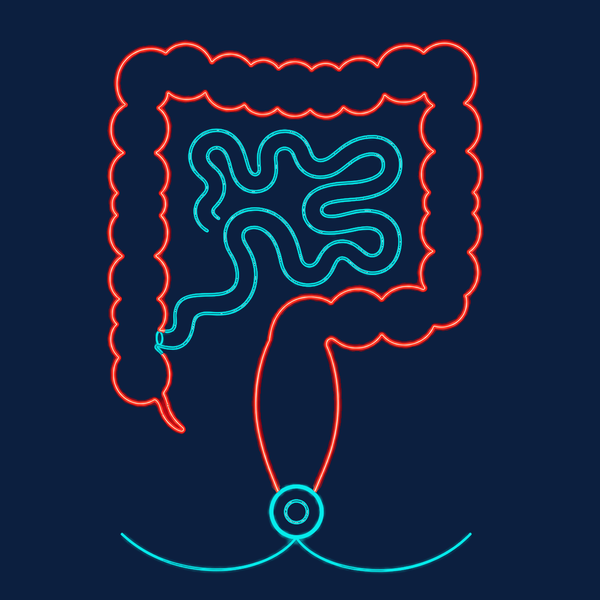 Colitis in the whole colon
 Operation 1: colon removed, temporary bag
 Operation 2: rectum removed, J-pouch built, bag stays
 Operation 3: bag closed, pouch in use
Two-stage J-pouch surgery: an option when you are well enough to have the colon and rectum removed in one operation
Colitis in the whole colonOperation 1: colon and rectum removed, J-pouch built, temporary bagOperation 2: bag closed, pouch in useMedicines and timing
Steroids and some biologic medicines can affect healing, so your surgeon may plan the operation in stages to lower the risk of complications. This is a routine part of planning. It doesn't mean anything is wrong. If you take a medicine called tofacitinib, your team may also add extra blood-clot prevention after surgery. Tell your care team about every medicine you take.
Life after surgery
Most people return to a full, active life after either operation. A few things worth discussing early with your team: pouchitis is common and treatable; pelvic surgery can affect fertility, and keyhole (minimally invasive) surgery lowers that risk, so it's worth raising before surgery if you may want children; and it's normal to want support for the emotional side of a big operation. Peer support and counseling help.
Making the decision
This page is a starting point, not a recommendation for your situation. Bring your questions to your gastroenterologist and colorectal surgeon. They can look at your specific anatomy, disease, and goals and help you choose. The right decision is the one that fits you.
The information on this page is drawn from the peer-reviewed medical literature and professional surgical guidelines. You can find the sources on the References page.
Health Maintenance for Pouch Patients
Living well after IPAA means staying engaged with your healthcare team. Talk to your doctors about a personalized plan that addresses the areas below.
Your Care Team
Coordinated care between a colorectal surgeon, gastroenterologist, and primary care provider helps keep follow-up on track.
Pouch Surveillance
Periodic endoscopic evaluation of the pouch and rectal cuff may be part of long-term care; your GI doctor can recommend a schedule.
Nutritional Health
Pouch patients may be at risk for certain deficiencies. Periodic blood work helps identify and address these.
Bone Health
Prior steroid use and chronic inflammation may affect bone density. Discuss DEXA, calcium, vitamin D, and exercise.
Kidney Health
Changes in fluid absorption may affect the kidneys. Adequate hydration and periodic monitoring are worth discussing.
Fertility & Pregnancy
Pelvic surgery may affect fertility in some patients. Early conversation with your doctors can help.
Vaccinations
Patients on certain medications may need to adjust their immunization plan with their care team.
Mental Well-Being
Peer support groups, counseling, and open conversations with your care team are all options worth exploring.
Patient Voices
Stories and reflections from people living with a J-pouch can help set expectations and offer perspective on daily life.
- Pravin Ruparelia, The World's First Pouch Patient (1976), the very first IPAA, told through his son.
- "My J-Pouch Changed My Life". Five patients and a surgeon share their stories.
- "Yes I Have a J-Pouch, Yes I Still Have IBD". A pouch is a treatment, not a cure.
- Shannon Kederis: "J-Pouch Surgery Gave Me My Life Back", a revision at Cleveland Clinic that finally worked.
- Red Lion Group: Patient Stories Archive, decades of UK pouch narratives.
- "Complications With My J-Pouch", an honest account and the decision to move to a permanent ileostomy.
Support & Community
Trusted patient communities and peer-support groups for people living with a J-pouch.
Ask Pouchy
Ask a plain-language question about life with a J-pouch. Answers are AI-generated from the research library, not medical advice. Please don't enter personal health information.
The AI assistant is in pre-launch testing and will be available soon.
About Pouchy.org
Pouchy.org is reliable, evidence-based, patient-friendly information about J-pouch (IPAA) surgery, recovery, and everyday life, synthesized from the world's largest pouch-surgery research library. It exists to collapse the distance between publication and practice: rather than the ~17 years it typically takes evidence to reach everyday care, Pouchy pairs that deep pouch literature with a “deep and narrow” AI that answers questions in plain language for patients and families. It is the patient-facing companion to Pouchology (our provider pouch-literature site), part of the IBDology family.

This site was created by Stefan D. Holubar, MD, MS, FACS, FASCRS, Professor of Surgery at Cleveland Clinic and the Cleveland Clinic Lerner College of Medicine & Case Western Reserve University. A fellowship-trained colorectal surgeon who specializes in inflammatory bowel disease, he lives with IBD and a J-pouch himself and brings both the surgeon's and the patient's perspective to this work. He is co-PI of the Crohn's & Colitis Foundation IBD-SIRCQ and the ACS-NSQIP IBD Collaborative, founder of the iPouch Consortium, and has authored over 300 peer-reviewed publications.
Dr. Holubar is an employee of Cleveland Clinic, and has the following disclosures: research funding from the American Society of Colon & Rectal Surgeons and the Crohn's & Colitis Foundation, and has no other disclosures or conflicts of interest.
Get in Touch
Questions or feedback about the website? Send us a note. Please don't include personal health information.
The Evidence Behind This Site
Every statement on pouchy.org is grounded in the published medical literature. Below, the key points are grouped by topic and linked to the peer-reviewed studies that support them. Sources were retrieved from a curated J-pouch (IPAA) research library and verified against the U.S. National Library of Medicine (PubMed); none are retracted. Last verified July 2026.
J-Pouch Basics
A J-pouch (ileal pouch–anal anastomosis) restores intestinal continuity after the colon and rectum are removed, with good long-term function and quality of life.1
Pouchitis is the most common complication of a J-pouch and usually responds to antibiotics.2, 3
Health Maintenance
Periodic endoscopic surveillance of the pouch and rectal cuff may be part of long-term care.4–6
Pouch patients may be at risk for certain nutritional deficiencies, so periodic blood work helps.7, 8
Prior steroid use and chronic inflammation may affect bone density, so DEXA and calcium/vitamin D are worth discussing.9–11
Changes in fluid absorption may affect the kidneys, so adequate hydration and periodic monitoring help.12, 13
Pelvic surgery may affect fertility in some patients, so an early conversation with your doctors matters.14–16
Patients on certain medications may need to adjust their immunization plan with their care team.17, 18
Peer support, counseling, and open conversations with your care team all support mental well-being.19–21
Surgery for ulcerative colitis
Surgery for ulcerative colitis is usually considered when medicines can no longer control the disease, or if pre-cancerous changes or cancer are found in the colon or rectum.22, 23
Removing the colon and rectum eliminates the ulcerative colitis itself, because the disease only affects those organs.23
After the colon is removed, the two main choices are an internal J-pouch, which avoids a permanent bag, or a permanent ileostomy with an ostomy bag.23, 24
A J-pouch (ileal pouch-anal anastomosis) is built from your own small intestine and lets you pass stool the normal way, with good long-term quality of life.25, 26
J-pouch surgery is usually done in two or three stages, often with a temporary ileostomy that is reversed a few months later.23, 27, 28
A permanent ileostomy is a well-established operation with quality of life similar to a J-pouch, and for some people it is the better choice rather than a failure.29–31
Pouchitis, inflammation of the J-pouch, is common after surgery and usually improves quickly with a course of antibiotics.3, 32
Pelvic surgery can affect fertility, and keyhole (minimally invasive) surgery lowers that risk, so it helps to talk with your care team early.33
Being on steroids or biologic medicines can affect surgical timing and healing, so your surgeon may perform the operation in stages to lower the risk.23, 34, 35
Rarely, when the rectum is only mildly affected, the colon can be removed while keeping the rectum, which then needs regular check-ups.23, 36
References
- Somashekar U, et al. Functional outcome and quality of life following restorative proctocolectomy for ulcerative colitis in Indians. Int J Colorectal Dis. 2010;25(8):967-73. PMID: 20532530.
- Shen B, et al. A randomized clinical trial of ciprofloxacin and metronidazole to treat acute pouchitis. Inflamm Bowel Dis. 2001;7(4):301-5. PMID: 11720319.
- Navaneethan U, Shen B. Pros and cons of antibiotic therapy for pouchitis. Expert Rev Gastroenterol Hepatol. 2009;3(5):547-59. PMID: 19817675.
- Urquhart SA, et al. The Incidence of Pouch Neoplasia Following Ileal Pouch-Anal Anastomosis in Patients With Inflammatory Bowel Disease. Inflamm Bowel Dis. 2024;30(2):183-189. PMID: 36812365.
- Gu J, et al. Practice pattern of ileal pouch surveillance in academic medical centers in the United States. Gastroenterol Rep (Oxf). 2016;4(2):119-24. PMID: 26668095.
- Sugita A, Koganei K, Tatsumi K. Management of Pouch Neoplasia. Dis Colon Rectum. 2022;65(S1):S129-S135. PMID: 35895865.
- Hashash JG, et al. AGA Clinical Practice Update on Diet and Nutritional Therapies in Patients With Inflammatory Bowel Disease: Expert Review. Gastroenterology. 2024;166(3):521-532. PMID: 38276922.
- Whineray E, et al. Comparison of micronutrients in patients having had panproctocolectomy and either ileal pouch anal anastomosis or Brooke ileostomy for chronic ulcerative colitis (UC). Colorectal Dis. 2000;2(6):351-4. PMID: 23578154.
- Gupta S, Shen B. Bone loss in patients with the ileostomy and ileal pouch for inflammatory bowel disease. Gastroenterol Rep (Oxf). 2013;1(3):159-65. PMID: 24759961.
- Gupta S, et al. Frequency, risk factors, and adverse sequelae of bone loss in patients with ostomy for inflammatory bowel diseases. Inflamm Bowel Dis. 2014;20(2):259-64. PMID: 24378598.
- Rizvi A, et al. Vitamin D Deficiency is Common in Patients with Ulcerative Colitis After Total Proctocolectomy with Ileal Pouch Anal Anastomosis. Inflamm Bowel Dis. 2022;28(12):1924-1926. PMID: 35552413.
- Arora Z, et al. Etiopathogenesis of Nephrolithiasis in Ulcerative Colitis Patients with the Ileal Pouch Anal Anastomosis. Inflamm Bowel Dis. 2017;23(5):840-846. PMID: 28301430.
- Mukewar S, et al. Risk factors for nephrolithiasis in patients with ileal pouches. J Crohns Colitis. 2013;7(1):70-8. PMID: 22728147.
- Rajaratnam SG, et al. Impact of ileal pouch-anal anastomosis on female fertility: meta-analysis and systematic review. Int J Colorectal Dis. 2011;26(11):1365-74. PMID: 21766164.
- Bartels SA, et al. Significantly increased pregnancy rates after laparoscopic restorative proctocolectomy: a cross-sectional study. Ann Surg. 2012;256(6):1045-8. PMID: 22609840.
- Wax JR, et al. Female reproductive health after ileal pouch anal anastomosis for ulcerative colitis. Obstet Gynecol Surv. 2003;58(4):270-4. PMID: 12665707.
- Syal G, … Holubar SD, et al. Health Maintenance Consensus for Adults With Inflammatory Bowel Disease. Inflamm Bowel Dis. 2021;27(10):1552-1563. PMID: 34279600.
- Hussain N, Proctor D, Al-Bawardy B. The Impact of Inflammatory Bowel Disease Clinic On-site Vaccination Services. Crohns Colitis 360. 2021;3(4):otab067. PMID: 36777277.
- Gorrepati VS, et al. Anxiety, depression, and inflammation after restorative proctocolectomy. Int J Colorectal Dis. 2018;33(11):1601-1606. PMID: 29959529.
- Häuser W, Janke KH, Stallmach A. Mental disorder and psychologic distress in patients with ulcerative colitis after ileal pouch-anal anastomosis. Dis Colon Rectum. 2005;48(5):952-62. PMID: 15785887.
- Starcevic A, et al. Evaluating Quality of Life in Surgically Treated IBD Patients: A Systematic Review of Physical, Emotional and Social Impacts. Medicina (Kaunas). 2025;61(9). PMID: 41011053.
- Kotze PG, et al. New insights on the surgical management of ulcerative colitis in the 21st century. Lancet Gastroenterol Hepatol. 2022;7(7):679-688. PMID: 35364005.
- Holubar SD, et al. The American Society of Colon and Rectal Surgeons Clinical Practice Guidelines for the Surgical Management of Ulcerative Colitis. Dis Colon Rectum. 2021;64(7):783-804. PMID: 33853087.
- Murphy PB, et al. Quality of Life After Total Proctocolectomy With Ileostomy or IPAA: A Systematic Review. Dis Colon Rectum. 2015;58(9):899-908. PMID: 26252853.
- Fazio VW, et al. Long-term functional outcome and quality of life after stapled restorative proctocolectomy. Ann Surg. 1999;230(4):575-84; discussion 584-6. PMID: 10522727.
- Leowardi C, et al. Long-term outcome 10 years or more after restorative proctocolectomy and ileal pouch-anal anastomosis in patients with ulcerative colitis. Langenbecks Arch Surg. 2010;395(1):49-56. PMID: 19280217.
- Friel CM. The ileal pouch anal anastomosis: to divert or not to divert? The case for diversion. J Gastrointest Surg. 2009;13(3):399-400. PMID: 19130155.
- Lightner AL, Pemberton JH. The Role of Temporary Fecal Diversion. Clin Colon Rectal Surg. 2017;30(3):178-183. PMID: 28684935.
- Dozois EJ. Proctocolectomy and brooke ileostomy for chronic ulcerative colitis. Clin Colon Rectal Surg. 2004;17(1):65-70. PMID: 20011286.
- Holubar SD, Keller J, Cooper L. When Patients With IBD Require an Ostomy: Evidence-Based Answers to 10 Common Clinical Questions in IBD Surgery. Am J Gastroenterol. 2025;120(2):268-271. PMID: 39887123.
- Awad RW, et al. Life quality and psychological morbidity with an ileostomy. Br J Surg. 1993;80(2):252-3. PMID: 8443674.
- Shen B, et al. Combined ciprofloxacin and tinidazole therapy in the treatment of chronic refractory pouchitis. Dis Colon Rectum. 2007;50(4):498-508. PMID: 17279300.
- Martins BA, Sousa JB. Fertility after pouch surgery in women with ulcerative colitis: Is robotic surgery the key to better outcomes?. Womens Health (Lond). 2024;20:17455057241294219. PMID: 39508620.
- Lee KE, et al. Perioperative Management of Ulcerative Colitis: A Systematic Review. Dis Colon Rectum. 2022;65(S1):S5-S19. PMID: 36007165.
- Argollo MC, et al. The impact of biologics in surgical outcomes in ulcerative colitis. Best Pract Res Clin Gastroenterol. 2018;32-33:79-87. PMID: 30060942.
- da Luz Moreira A, Kiran RP, Lavery I. Clinical outcomes of ileorectal anastomosis for ulcerative colitis. Br J Surg. 2010;97(1):65-9. PMID: 20013930.
Compiled by the Holubar Lab. Citations are provided for transparency and education and are not a substitute for advice from your own care team.